
 EN
EN UK
UK RU
RU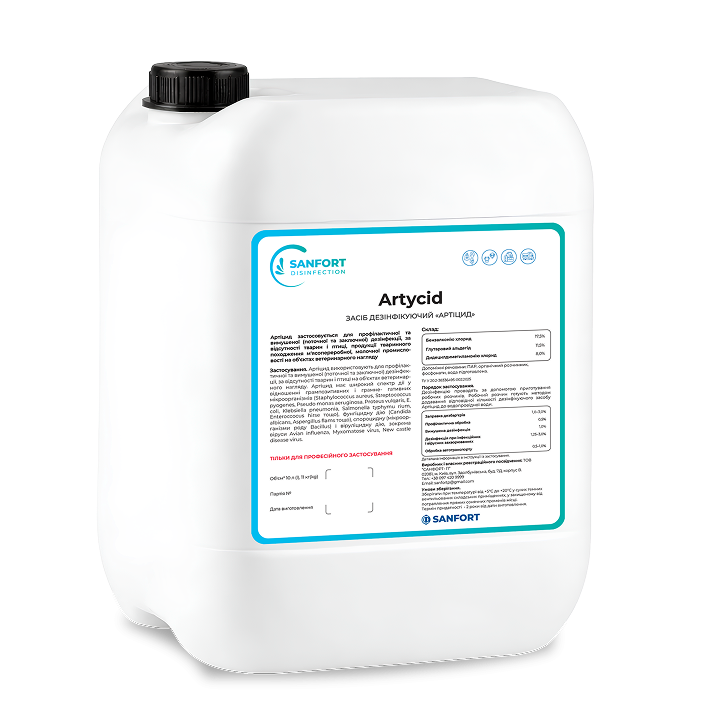
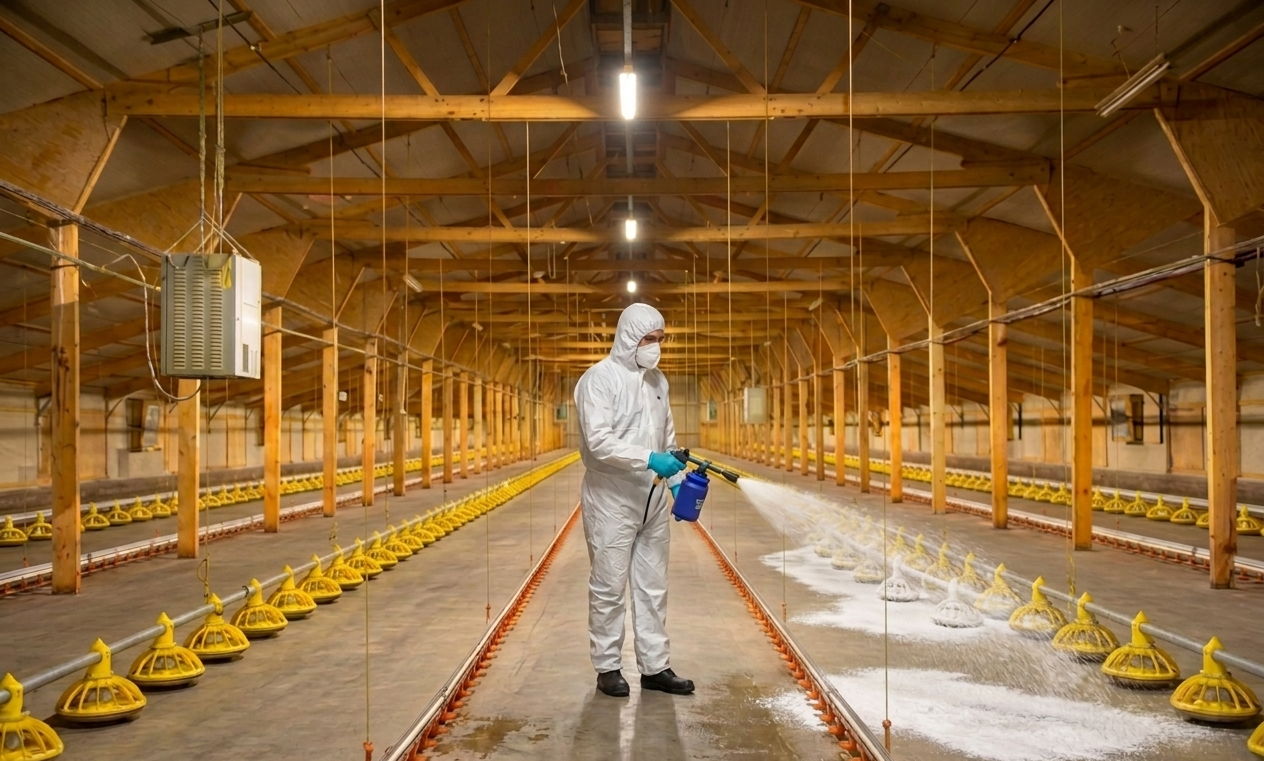
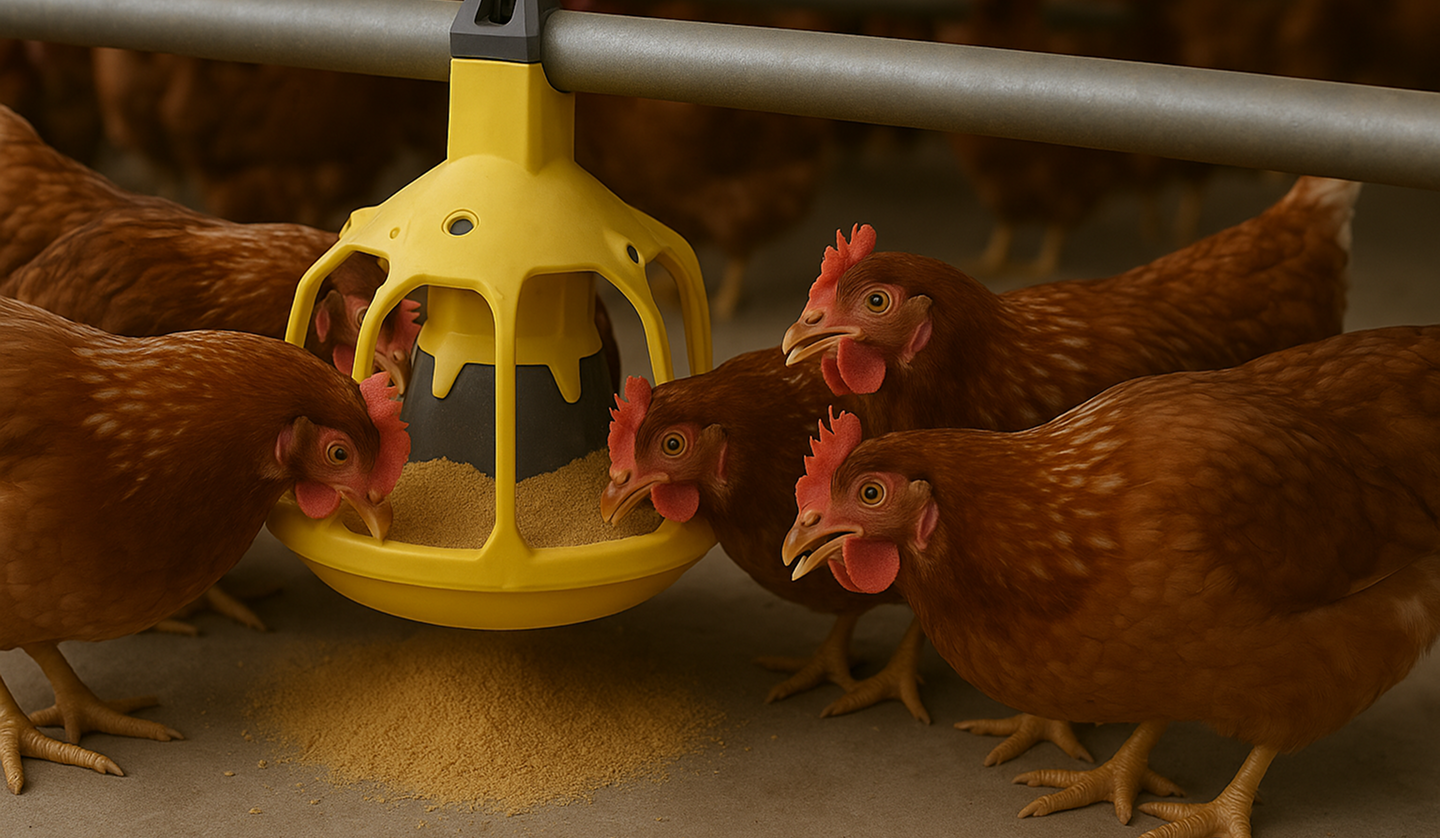
The innovative Sanfort Disinfection range has been developed as a comprehensive response to the challenges faced by modern agriculture. It is an effective protection system designed to eliminate resistant strains of viruses, fungi, and bacteria. The use of advanced formulations minimizes the risk of disease outbreaks, improves feed conversion, increases young animal survival rates, and supports the environmental safety of agricultural products. Sanfort products provide control over sanitary conditions at every stage of the production cycle.
Purpose and Classification of Veterinary Disinfectants
The main purpose of disinfecting veterinary facilities is to interrupt the transmission of infection from the source to animals. All disinfection procedures are divided into three types:
- Preventive disinfection in veterinary practice. Regular scheduled treatment of equipment and structures to eliminate opportunistic microorganisms and reduce the overall microbial load.
- Ongoing disinfection. Emergency containment of an infection source when sick animals are detected, helping protect the remaining livestock in the section.
- Final disinfection. Complete final decontamination of an empty building before introducing a new batch of animals according to the “all-in, all-out” principle.
Strict adherence to these stages allows veterinarians to act proactively and prevent large-scale disease outbreaks.
Disinfection Methods at Agricultural Facilities
The choice of treatment method depends on the type of surface and the specific sanitation requirements of the facility. Three main methods are used in modern agriculture:
- Wet disinfection. Involves washing walls, floors, and feeders with large-droplet solutions under pressure to ensure prolonged contact between the chemical agent and the surface.
- Aerosol disinfection of livestock facilities. Fine mist is sprayed using specialized generators. The aerosol remains suspended in the air for an extended period and penetrates ventilation systems and cracks.
- Fumigation. This involves converting a disinfectant into a volatile vapor through thermal or chemical action to sterilize sealed incubators and feed storage bins.
For rapid spot treatment in the presence of people, fast-acting disinfectants without a strong odor can be used. Combining these approaches makes it possible to decontaminate both exposed panels and hidden air zones.
Disinfection of Production Areas and Agricultural Facilities
Proper farm disinfection is carried out differently in each building because cattle barns, poultry houses, and pig barns have their own specific characteristics and disease risks.
Protection of Poultry Farms
Poultry farming is particularly vulnerable due to the high stocking density. Proper disinfection at poultry farms helps protect businesses against avian influenza, Newcastle disease, and salmonellosis. Particular attention is paid to the treatment of poultry houses, cage systems, and manure removal lines.
Disinfection of Pig Farms
Pig farming operations face constant pressure from pathogens such as African swine fever (ASF), porcine reproductive and respiratory syndrome (PRRS), and circovirus. Regular disinfection of pig barns must take high humidity and ammonia emissions into account.
Hatchery Hygiene
Heat and humidity in hatcheries create favorable conditions for the development of aspergillosis and Salmonella. Systematic disinfection of incubators and hatching cabinets requires the use of suitable virucidal and fungicidal products.
Sanitation of Animal By-Product Processing Facilities
In biological waste processing areas, bacterial contamination can reach extremely high levels. Disinfectants used in the meat-processing industry must provide strong activity against spore-forming bacteria such as Clostridium and against protein-based deposits.
Disinfection of Vehicles and Personnel Sanitation Facilities
Vehicles transporting feed and animals can act as vectors for infection transmission. Regular vehicle disinfection on farms, including at entrance disinfection barriers, should be carried out with products that remain effective at low temperatures and do not cause vehicle-body corrosion. At personnel sanitation facilities, control includes footwear disinfection in disinfectant mats and hand treatment.
Sanfort Disinfection Product Range
The Sanfort Disinfection range includes professional veterinary disinfectants designed to protect different areas of a farm:
- Artycid. A powerful formulation against viruses and fungi that remains effective even in hard water.
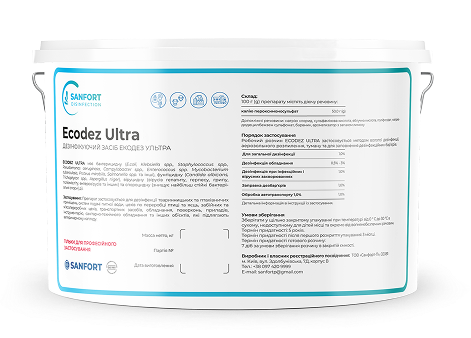
- Ecodez Ultra. A powerful dry oxidizing agent that reliably eliminates microorganisms in cold facilities.
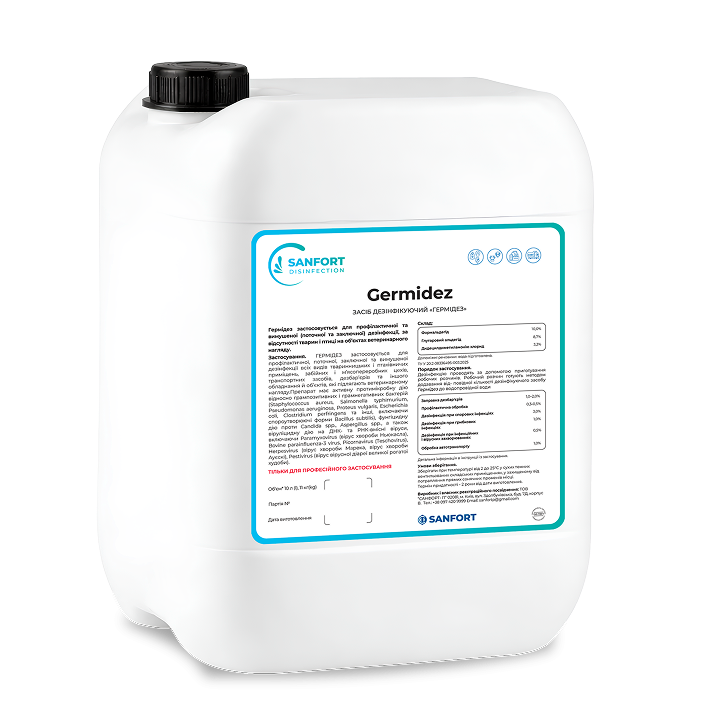
- Germidez. A concentrate for rapid and thorough sanitation of empty livestock buildings.
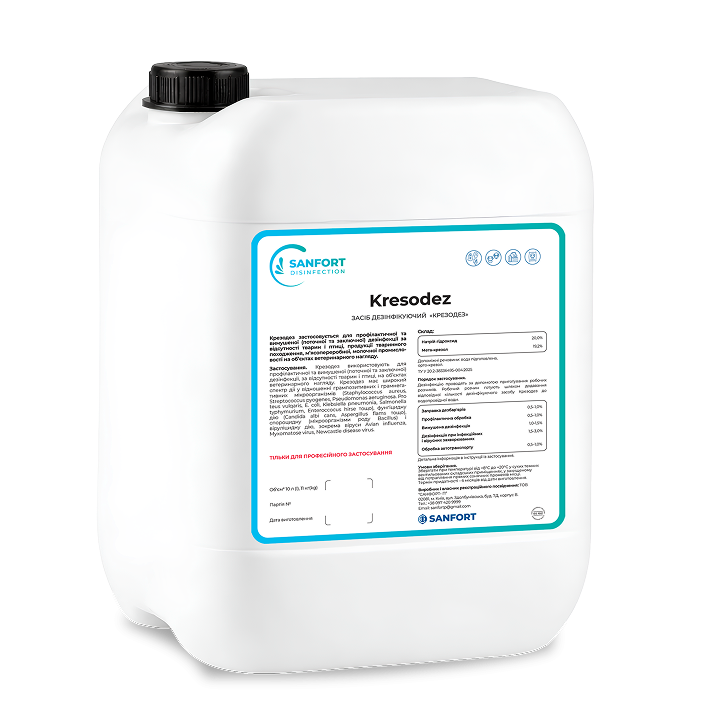
- Kresodez. A specialized alkaline product capable of breaking down highly resistant bacterial spores.
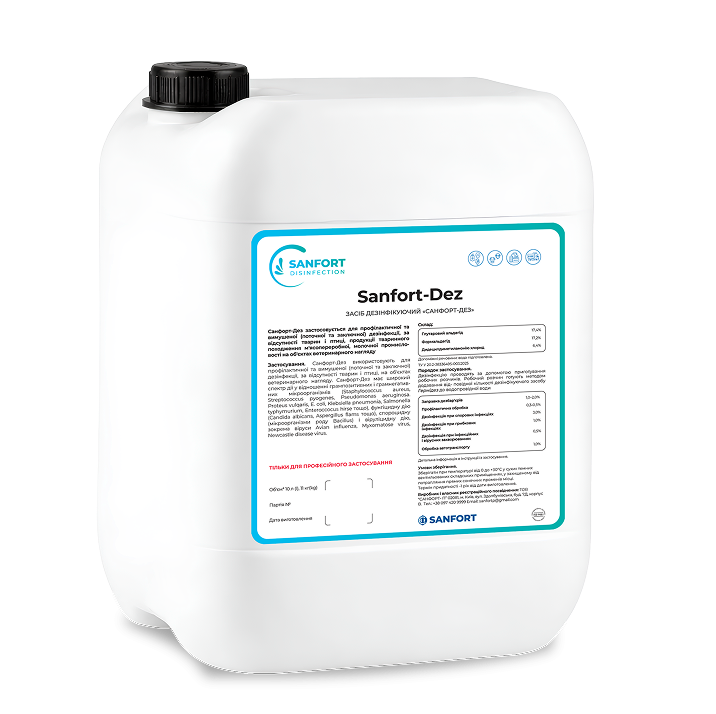
- Sanfort-Dez. A universal long-acting product for protecting a wide range of hard surfaces.
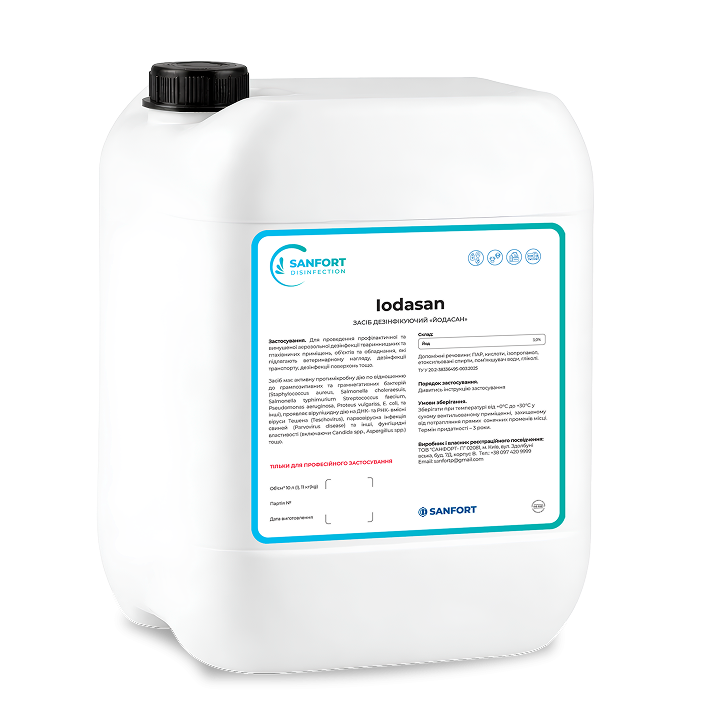
- Iodasan. A mild iodine-based product for air treatment and the prevention of respiratory diseases in animals.
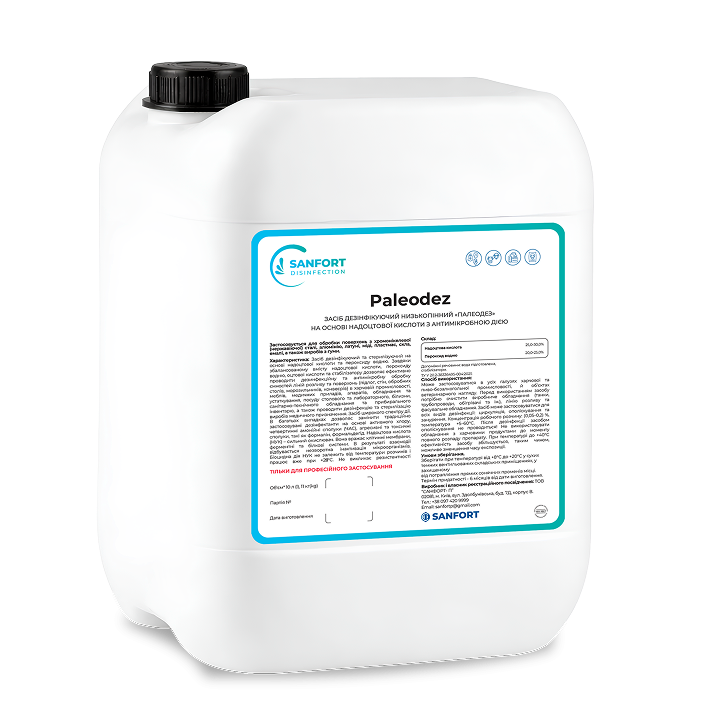
- Paleodez. A low-foaming formulation for easy flushing of pipes and automatic drinking lines to remove deposits.
This straightforward range of specialized products helps address a wide variety of microbial challenges on agricultural facilities. Using the right chemical products can reduce animal treatment costs and provide reliable protection against dangerous infections.
How to Choose a Disinfectant for a Livestock Facility
Choosing the right product can significantly reduce costs and provide reliable protection for the farm. To select a suitable disinfectant, veterinarians evaluate four key parameters:
- Type of threat. The product is selected according to the specific problem, such as the sporicidal Kresodez against Clostridium or the virucidal Artycid and Ecodez Ultra against avian influenza and African swine fever.
- Environmental conditions. Water quality and temperature must be considered, as Sanfort products are designed to perform consistently in hard water and in unheated buildings during winter.
- Material safety. Chemicals should not damage equipment, so gentle, non-corrosive formulations are selected for incubators and galvanized components.
- Presence of animals. For air treatment directly in the presence of livestock, safe, mild formulations such as the iodine-based Iodasan are used.
Careful consideration of these factors helps prevent the purchase of ineffective products and supports continuous protection of the facility. Proper selection of the active ingredient creates a reliable barrier against infections under different weather conditions.
Benefits of Using Sanfort Disinfectants
Using the professional Sanfort range helps maintain sanitary conditions and protect the business from unexpected losses. By choosing our modern veterinary disinfectants, you gain several important advantages:
- Comprehensive protection. Powerful virucidal disinfectants designed to eliminate viruses, dangerous bacteria, fungi, and spores.
- Reduced risk of adaptation. A carefully designed combination of active components helps reduce the ability of microorganisms to adapt to the product during repeated treatments.
- Environmental safety. Sanfort offers disinfectants designed to break down rapidly in the environment and not accumulate in meat or milk.
- Cost efficiency. Highly concentrated solutions can provide low application rates (from 0.1%), helping reduce the overall cost of disinfecting each square meter.
These properties make Sanfort products an effective solution for farm protection. Modern formulations help maintain hygiene while reducing veterinary-related costs.
Order Professional Sanfort Disinfectants Directly from the Manufacturer
Sanfort supplies professional agricultural chemicals directly, without intermediaries. To protect your farm against infections and maintain biosecurity, you can purchase veterinary disinfectants directly from the manufacturer. You can contact us using the telephone number provided or send us an email.
Frequently Asked Questions
What is the difference between wet, aerosol, and fumigation disinfection?
The main difference between wet, aerosol, and fumigation disinfection lies in droplet size and application purpose. The wet method uses larger droplets to treat floors and walls, aerosol mist treats the air and hard-to-reach surfaces, while vapor fumigation sterilizes sealed spaces. Selecting the appropriate solution dispersion largely determines the quality of the final facility treatment.
Which disinfectants are effective against multidrug-resistant bacterial and viral strains?
Multicomponent disinfectants designed to target viruses and bacteria through several mechanisms can provide broad antimicrobial activity. Strong oxidizing agents can damage microbial structures, while certain specialized compounds are effective against resistant spores and oocysts. Using appropriately selected combination products as part of a validated sanitation program can help reduce the risk of persistent microbial contamination.
How should you choose the right disinfectant for a farm?
To select an appropriate disinfectant, it is necessary to analyze the farm’s biological risk profile and consider water hardness and the temperature conditions inside the buildings. Based on these factors, veterinarians can develop an individual rotation program that includes the appropriate alternation of active-ingredient classes. A systematic approach to product selection and rotation supports reliable farm biosecurity and helps reduce the risk of pathogen resistance.