
 EN
EN UK
UK RU
RU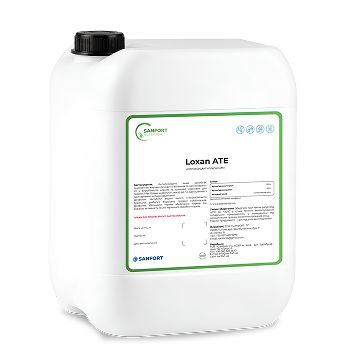

The Sanfort Nutrition range is designed to support effective intestinal health management and protect young animals from the first days of life. The products in this range help normalize the internal environment of the digestive tract, support the body’s own enzyme production, and limit the development of pathogenic bacteria. The use of Sanfort feed additives can help improve feed conversion, increase average daily weight gain, and support livestock survival throughout all stages of production.
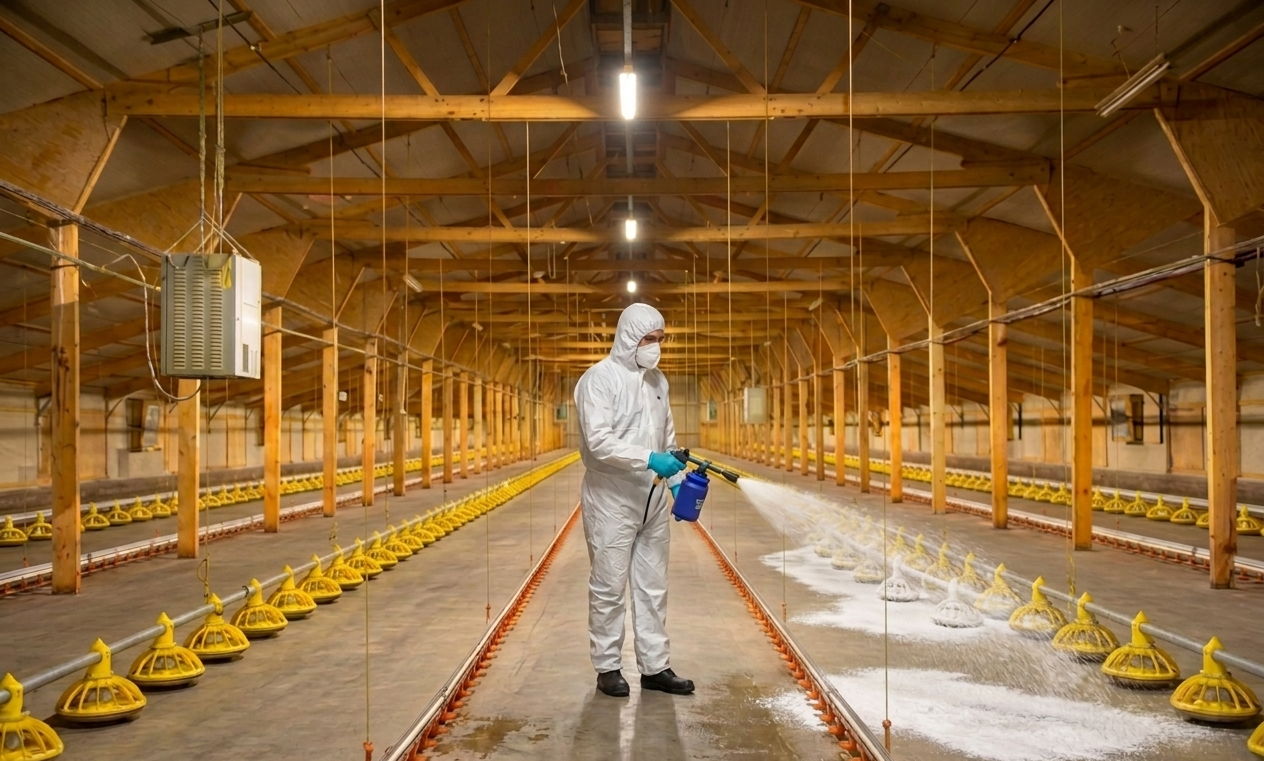
The Role of Feed Additives and Acidifiers in Agricultural Biosecurity
Ensuring farm biosecurity involves not only external disinfection of buildings but also supporting the internal defenses of animals. Feed acidifiers play an important role in this system. They act as a natural barrier against the introduction of pathogens through the digestive tract. By lowering pH levels in the stomach and intestines, these products create an unfavorable environment for Salmonella, E. coli, and Clostridium while supporting the growth of beneficial lactobacilli and bifidobacteria.
Regular use of acidifiers can help interrupt the transmission cycle of bacterial infections within a herd or flock. This can reduce the overall microbial load in manure and bedding, contributing to improved sanitary conditions in production facilities. Incorporating such solutions into daily feeding programs is an important element of strategies aimed at maintaining healthy livestock while avoiding unnecessary use of antimicrobial agents.
Classification and Application of Sanfort Nutrition Products
Sanfort produces specialized liquid feed additives designed for easy integration into farm operations. The liquid form allows products to be administered quickly through drinking systems and medication dosing equipment, which can be particularly useful during periods of stress or reduced intake of dry feed.
The products in the range are classified according to their intended use and composition into organic acid complexes for water sanitation, combined products for dry feed, and high-performance stabilizers for feed components. This allows veterinarians to combine products flexibly according to current production requirements.
Organic Acidifiers for Water and Feed
Organic acids lower pH and can inhibit harmful bacteria by disrupting their cellular environment. Liquid water acidifiers help maintain drinking systems by reducing deposits and biofilms, while supporting protein digestion in the stomach. Dry feed acidifiers can help protect raw materials against mold during storage and support young animals when adapting to complex diets. Properly combining water and feed applications can provide continuous support for gastrointestinal health as diets change.
Antioxidants and Their Benefits for Animals
Professional feed antioxidants protect dietary components from deterioration and oxidation when exposed to air. Oxidation of fats can reduce the nutritional value of feed and produce undesirable flavors that may reduce feed intake.
The use of antioxidants helps preserve the freshness and characteristic aroma of compound feed throughout its storage period. Antioxidants help neutralize free radicals, reduce oxidative stress, and support liver function, reproductive performance, and overall herd or flock health.
Application of Nutrition Products in Different Livestock Sectors
Professional feed additives for farm animals require accurate dosing and adaptation to the specific species and age group, as digestive physiology differs significantly between poultry and pigs.
Use of Acidifiers in Poultry Farming
The short digestive tract and high metabolic rate of broilers and laying hens require efficient utilization of nutrients. Specialized water acidifiers for poultry can help maintain a favorable microbial balance in the crop and gizzard and support digestive health. Regular use of acidifiers in poultry production can also support calcium and phosphorus utilization, which is important for eggshell quality, while helping reduce litter moisture and improve the microclimate inside poultry houses.
Acidification Programs in Pig Farming
The weaning period is one of the most critical stages for piglets and is accompanied by major dietary changes and changes in gastric acidity. Water acidifiers for pigs can help support a gradual transition to plant-based feeds and maintain digestive stability during this period. Feed acidifiers can help stabilize compound feed, support appetite, and contribute to consistent average daily weight gain during the finishing stage.
Sanfort Nutrition Product Range
Sanfort high-performance acidifiers and antioxidants are developed using European experience and adapted to the characteristics of the Ukrainian feed market:
- Loxan ATE. A powerful antioxidant designed to protect fats, fat-soluble vitamins, and carotenoids against oxidation during the production and storage of compound feed.
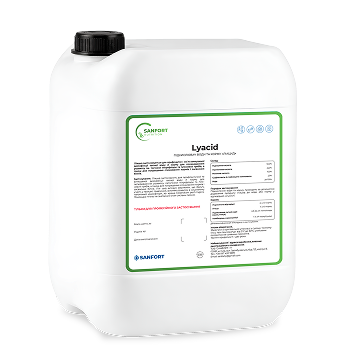
- Lyacid. A liquid acidifier for water and feed based on formic, propionic, and lactic acids, designed to support drinking-system sanitation and help maintain a balanced gastrointestinal microflora.
- Neosens. A combined synergistic feed and water acidifier that helps suppress the proliferation of Gram-negative bacteria and improve the palatability of the diet.
Each product in the range undergoes strict laboratory quality and component-stability control. This helps ensure consistency with the specified acid concentration and reliable performance under different production conditions.
How to Use Acidifiers and Develop a Farm Program
To achieve the best economic results, a farm should implement a clear acidifier application program based on animal age and drinking-water quality. The recommended implementation process includes:
- Water analysis. Determining the initial pH level and water hardness to calculate the appropriate product dosage.
- Weaning and transition period. Continuous administration of the acidifier through a dosing system for 7-14 days during dietary transitions.
- Preventive sanitation. Scheduled product administration 2-3 times per week to help maintain the cleanliness of drinking-water lines.
Regular monitoring of water pH at the ends of drinking lines allows dosage to be adjusted promptly. This approach helps prevent excessive product consumption and supports consistent gastrointestinal protection across all sections of the facility.
Benefits of Using Sanfort Feed Solutions
By choosing Sanfort products, you entrust your business’s biosecurity to an experienced partner, as our company is a Ukrainian manufacturer of feed additives. This provides several important advantages:
- High concentration. Low working dosages help reduce the cost of treating one ton of feed or water.
- Formula stability. Organic acids are formulated to maintain their activity throughout the technological process.
- Equipment safety. Special corrosion inhibitors in liquid formulations help protect metal components of drinking systems.
The combination of these properties makes Sanfort products a cost-effective tool for modern agricultural complexes. The products can support efficient feed conversion while minimizing the risk of damage to expensive nipple drinking systems.
Order Sanfort Feed Additives and Acidifiers Directly from the Manufacturer
Direct cooperation with the manufacturer allows large agricultural complexes and farms to purchase European-quality feed additives without unnecessary markups. Original acidifiers can be purchased in Ukraine with fast delivery to any region and a complete package of veterinary documentation. For consultation and order processing, contact us by phone or send an inquiry by email.
Frequently Asked Questions
How do acidifiers work and what are their benefits for animal gastrointestinal health?
When discussing what feed acidifiers are, it is important to note that they are specialized combinations of organic acids that lower pH in the stomach. This can support digestive enzyme activity, improve protein breakdown, and create an acidic environment that is unfavorable for many pathogenic microorganisms. Regular use of these additives can help stabilize beneficial microflora and support normal intestinal function.
Why use antioxidants and how safe are they for livestock?
Specialized feed antioxidants help slow oxidation and deterioration of compound-feed components during storage. When used according to applicable feed-use requirements, they are designed to support feed quality and help preserve its nutritional value, flavor, and vitamin content. Such additives can also help reduce the formation of oxidation products in feed.
Are Sanfort acidifiers suitable for use through dosing systems and drinking-water systems?
Sanfort liquid water acidifiers for poultry and pigs are designed for use with automatic drinking systems and dosing equipment when used according to the manufacturer’s instructions. The products are intended for controlled dosing into drinking water, with application based on recommended concentrations and equipment-compatibility requirements. Regular use can also help support the cleanliness of drinking-water lines.