EN
EN UK
UK RU
RU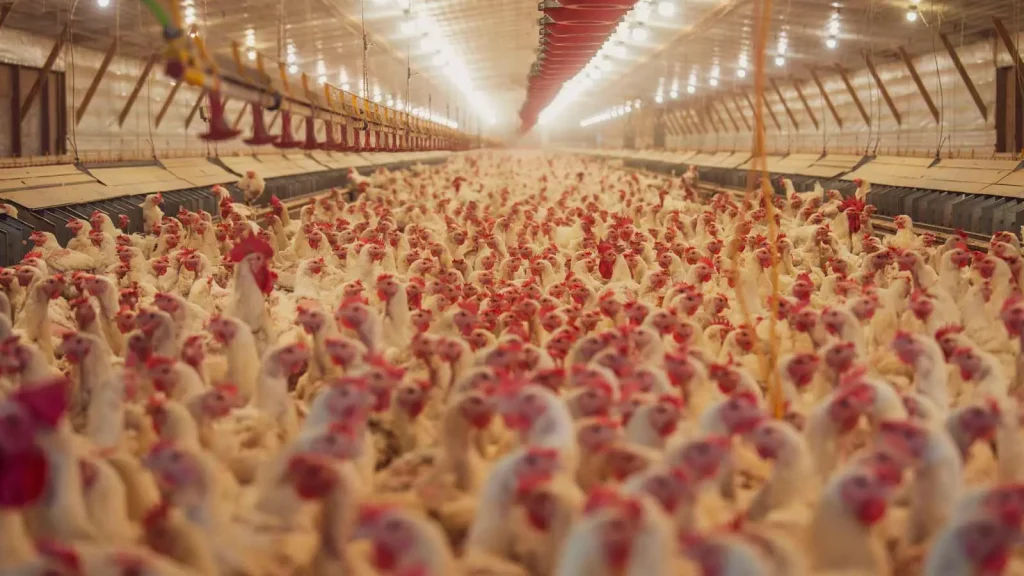
High stocking density in commercial poultry production creates optimal conditions for the rapid accumulation and transmission of pathogenic microorganisms. Without strict sanitary control across production areas, ensuring high flock livability and favorable feed conversion rates is impossible. Timely and proper poultry house disinfection forms the bedrock of biosecurity for any poultry enterprise.
What to Use for Poultry House Disinfection
Historically, formalin disinfection was widely utilized in poultry barns. While offering strong bactericidal and virucidal efficacy, it poses high toxicity to humans and deteriorates equipment. Formaldehyde deeply penetrates porous materials and demands lengthy downtime for ventilation.
Modern poultry farms are transitioning away from hazardous legacy chemistries in favor of balanced multi-component formulations. Advanced products emit no choking odors, are biodegradable, and remain active at lower temperatures. They reliably eradicate fungal spores, bacteria, and viruses without causing corrosion to cage mesh, galvanized tiers, or automated feeding systems.
Methods and Approaches to Poultry Barn Disinfection
Achieving uniform coverage of the working chemical solution requires selecting the right disinfection equipment. The primary methods applied across cleanouts and occupied barns include:
- Low-pressure wet spraying. Application of liquid disinfectant solutions onto walls, floors, and battery cages using motorized sprayers or high-pressure mobile spray trailers.
- Cold fogging (ULV). Utilizing specialized aerosol generators to produce a fine droplet mist that stays suspended in the air, reaching ventilation ducts, crevices, and overhead structures.
- Thermal hot fogging. A thermo-pneumatic method providing maximum aerosol penetration into the most concealed structural recesses of the building.
- Foam application. Laying a thick layer of clinging foam across vertical surfaces, which extends chemical contact time with encrusted dirt and enhances cleaning efficacy.
Selecting an application method and equipment platform depends on house dimensions and the husbandry system – floor-litter or multi-tier battery cage setups.
Step-by-Step Cleaning and Disinfection Protocol for Poultry Houses
A high-efficacy sanitary cleanout requires adhering to a strict operational sequence:
- Depopulating the flock and completely vacating the facility.
- Removing litter, manure packs, dust, and feed residues.
- Dry cleaning ventilation shafts, lighting fixtures, control panels, and structural trusses.
- Hydraulic pressure washing of all surfaces with hot water and heavy-duty foaming detergents.
- Flushing, descaling, and disinfecting automated nipple drinker lines and bulk feed bins.
- Wet disinfectant spraying across thoroughly dried and pre-cleaned surfaces.
- Contact time exposure (holding chemical exposure strictly according to product specifications).
- Final drying and ventilation prior to restocking the barn with the incoming flock.
Disciplined execution of this protocol interrupts the transmission cycle of pathogens and delivers a sanitary environment for incoming livestock.
Poultry Barn Disinfection in the Presence of Birds
Throughout broiler grow-out periods or commercial layer cycles, airborne dust and microbial loads steadily climb. To rapidly reduce pathogen pressure, continuous misting in the presence of birds is deployed as a supportive biosecurity measure. This process suppresses aerosol-transmitted viruses and respiratory bacteria while knocking down suspended dust levels.
For aerial sanitation in occupied barns, only non-irritating, low-toxicity formulations administered at low label rates are permitted. Before fogging begins, minimum ventilation rates are set to keep the active mist suspended within the house.
How to Ensure Maximum Disinfection Efficacy in Poultry Facilities
The success of chemical disinfection hinges on diligent facility preparation. Washdown thoroughness is critical: organic crusts and dried manure easily shield pathogens from antimicrobial exposure.
To maximize biocidal performance, maintain these operational controls:
- Water hardness management. Hard water can reduce active ingredient potency.
- Solution temperature control. Most disinfectants perform optimally in lukewarm diluent water.
- Precise dilution rates. Using calibrated scales and volumetric dispensers prevents underdosing.
- Required contact exposure. Never rinse surfaces or house birds prior to the manufacturer’s specified contact time.
- Disinfectant rotation. Periodically rotating active ingredients mitigates microbial resistance build-up.
Validation of procedural success is confirmed via microbiological swab testing for total coliforms and Staphylococcus aureus.
Professional Sanfort Formulations for Integrated Poultry House Disinfection
Sanfort has engineered a tailored portfolio of biosecurity chemicals meeting the operational requirements of poultry producers at every production phase. All Sanfort poultry disinfectants offer broad material compatibility, high working stability, and verified biocidal performance:
- Artycid. A heavy-duty broad-spectrum disinfectant based on glutaraldehyde and QAC, targeting resistant avian pathogens.
- Sanfort-Dez. The optimal compound for comprehensive terminal cleanout disinfection of vacant houses.
- Iodasan. An iodine-based formulation engineered for aerial fogging and continuous air sanitation.
- Paleodez. A specialized, low-foaming compound for biofilm removal and descaling inside nipple drinker lines.
- Ecodez Ultra. A gentle formulation for routine preventative spraying and maintenance of sanitary standards.
Implementing an integrated Sanfort biosecurity regimen reduces disease outbreak risks and protects operational productivity across poultry operations.
Frequently Asked Questions
What disinfectant should be used for broiler battery cages?
When selecting a chemical for broiler cages, prioritize non-corrosive foaming disinfectants. For galvanized mesh wire, manure belts, and troughs, Artycid provides strong antiviral efficacy without deteriorating zinc coatings. Following chemical exposure, rinse all contact surfaces thoroughly with clean pressurized water.
How should chick brooders be disinfected before placement?
Due to the immature immune system of day-old chicks, proper brooder hygiene is essential. Pre-clean the brooder unit thoroughly, then apply Sanfort-Dez via fine spray or execute aerial fogging using Iodasan. These compounds eliminate environmental pathogens and ventilate out cleanly before chick arrival.