EN
EN UK
UK RU
RU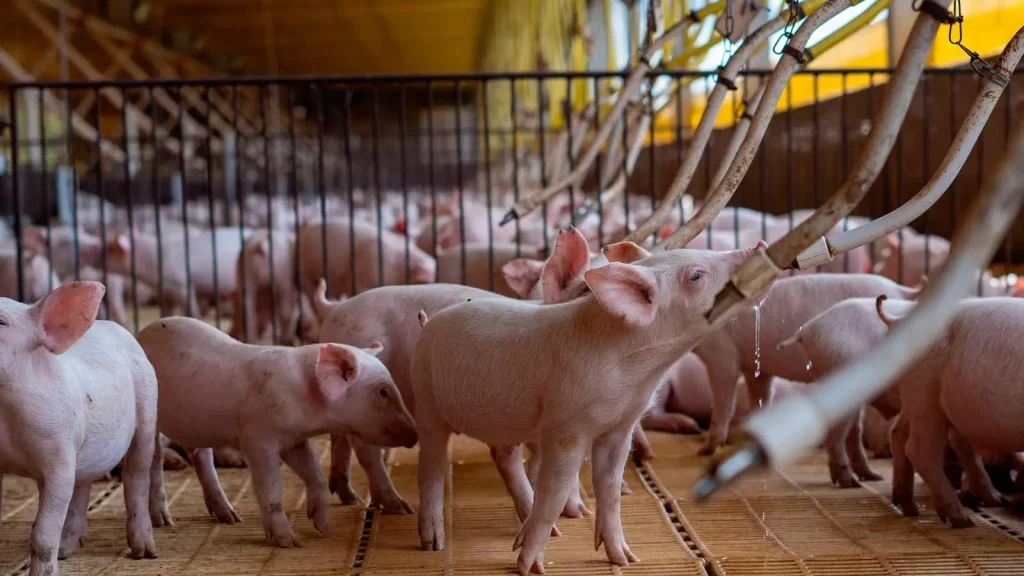
Water – is the most critical and consumed component of livestock diets. A pig consumes 2 to 3 times more fluid than dry feed, making water quality a direct determinant of herd metabolism and immunity. Ensuring the microbiological purity of waterline networks is a foundational requirement for securing peak farm productivity.
The Hazards of Contaminated Drinking Water on Swine Farms
Flawed water supply management and watering pigs with low-grade water inevitably trigger sharp spikes in morbidity and mortality. Water laden with pathogens becomes the primary transmission vector for colibacillosis, salmonellosis, dysentery, and other high-risk enteric diseases. Livestock expend vast physiological energy combating toxins rather than directing nutrients toward muscle mass gain.
Beyond veterinary hazards, poor water hygiene incurs severe financial penalties. Pigs suffer from depressed appetite, deteriorated feed conversion, and retarded average daily gains, while veterinary pharmaceutical expenditures escalate. Furthermore, contaminated water degrades the bio-efficacy of medication dosers, rendering costly antibiotics and vitamins inactive.
Biofilm in Pipes and Evident Signs of Water Source Contamination
The primary cryptic reservoir of infection inside drinking networks is biofilm – a persistent, slime-bound matrix of bacteria, algae, and fungi. Microorganisms secrete an extracellular polymeric substance (EPS) that anchors tenaciously to pipe walls, shielding pathogens from conventional sanitizers. Over time, this biological film sloughs off, discharging heavy bacterial loads directly upstream of nipple drinkers.
Swine operations can detect pipe contamination through several clear diagnostic markers:
- diminished dynamic water pressure toward the terminal ends of delivery lines;
- frequent clogging, dripping, or sticking of nipple drinkers caused by dislodged slime aggregates;
- turbid sediment or foul, stagnant odors emitted during dead-leg flush routines;
- mucilaginous slime deposits exhibiting brown, gray, or greenish discoloration on internal pipe walls;
- abrupt diarrhea outbreaks among piglets immediately following placement into thoroughly disinfected pens.
Detecting even one of these indicators demands an immediate deep chemical cleanout of the entire plumbing circuit. Ignoring these warnings perpetuates cross-contamination across incoming production batches.
Step-by-Step Swine Water Supply Cleaning and Disinfection Protocol
Achieving deep line remediation requires an integrated cleaning protocol tailored for swine watering systems. This program must be executed during the sanitary break when housing compartments are completely depopulated. Mechanical scrubbers cannot access closed piping, making targeted chemical circulation indispensable.
The standardized cleanout procedure for empty facilities includes the following phases:
- High-velocity flushing with clean water under pressure to dislodge loose sediment.
- Flooding lines with an alkaline detergent solution formulated with active chlorine or hydrogen peroxide to dissolve organic mucilage.
- Sustaining exposure dwell time (ranging from 3 to 12 hours depending on contamination severity).
- Draining spent chemical liquor followed by extensive flushing with high volumes of clean water.
- Injecting an acid-based descaling agent to dissolve limescale and inorganic mineral hardness deposits.
- Final high-flow flushing until discharge water at terminal nipples tests at neutral pH.
During chemical soak cycles, technical personnel must manually trigger every nipple drinker to pull the working solution into the valve assembly, guaranteeing bacterial eradication at animal contact points.
Continuous Waterline Disinfection in the Presence of Animals
When continuous batch cycles prohibit downtime, waterline sanitation is executed in the presence of pigs. The primary objective is to suppress pathogen replication within the pipes and purify drinking supplies without impairing animal vitality, feed intake, or water consumption. This approach requires mild oxidizing formulations dosed at safe parts-per-million rates.
Throughout continuous sanitation, testing residual disinfectant concentration at the furthest drinker line terminal using calibrated test strips is mandatory. Safe, in-line water treatment effectively curbs bacterial blooms during periods of sustained summer heat when pipe-borne microflora replicates rapidly.
Preventing Recontamination of Swine Farm Water Systems
A single terminal cleanout is insufficient, as fresh biofilm starts reforming inside lines within days after chemical treatment. The most reliable strategy for long-term waterline hygiene is the routine metering of a professional acidifier for pigs into drinking water. Organic acids gently suppress water pH to optimal targets between 3.8 and 4.5, establishing hostile conditions for pathogenic bacteria.
Continuous moderate acidification halts the growth of algae and bacterial slime while dissolving inorganic mineral precipitates before they bind to plastic pipe walls. Acidified water also improves swine digestion, stimulates appetite, and acts as a physiological barrier against enteric pathogens.
Professional Sanfort Acidifiers and Disinfectants for Waterline Hygiene
Sanfort biosecurity and nutritional products are engineered to meet rigorous commercial livestock standards while maintaining chemical compatibility with watering infrastructure.
To sustain superior drinking water hygiene, Sanfort recommends:
- Paleodez. A heavy-duty oxidizing cleaner based on hydrogen peroxide and peracetic acid, specifically designed for rapid elimination of mature biofilms and mineral scale.
- Neosens. An innovative liquid water acidifier for pigs fortified with medium-chain fatty acids (MCFAs), keeping plumbing lines clean while protecting animal gut integrity against pathogenic bacteria.
- Lyacid. A classic, highly concentrated blend of organic acids engineered for continuous, precise pH regulation in drinking water.
Routine implementation of these formulations delivers total control over the sanitary condition of water distribution lines, guaranteeing the continuous delivery of clean water to every section of the farm.
Frequently Asked Questions
What should be used to clean drinker lines from fat, medicine residues, and organic buildup?
Remediating drinker systems from organic buildup and pharmaceutical residues requires oxidizing compounds based on active oxygen or chlorine. The optimal solution is Paleodez by Sanfort, which dissolves organic plugs and strips stubborn biofilms from plumbing surfaces.
How often should water systems on swine farms be disinfected?
Terminal line disinfection should coincide with every “all-in – all-out” operational cycle prior to placing incoming stock. In farrowing and nursery units, this occurs every few weeks; in grow-finish barns, every 3 to 4 months. If medication, vitamins, or vaccines have been dosed via water lines, preventative flushes using safe acidifier rates should be repeated every 2 to 3 weeks.